Apigrator Overview: B2B Casino Software Provider and Casino Aggregator
I tested Apigrator as a B2B casino provider for a sportsbook and casino aggregator, and it felt like a true casino aggregator. It also works as an iGaming software provider with casino software integration, feeding a b2b casino platform. Apigrator targets operators needing licensed https://gameaggregator.io/ software integration and casino content aggregation, so teams can launch faster with less manual work. After reviewing the API pathways, I found the approach aligns well with casino game aggregation.
How a Casino Aggregator Works: Game Aggregation, Content Aggregation, and API Integration
- Connect suppliers via API keys, test sandbox calls, then lock prod endpoints.
- Normalize game IDs across studios before exposing catalogs to operators.
- Sync casino content aggregation (banners, rules, jackpots) by versioned feeds.
- Schedule refreshes every 15 minutes to catch new releases.
I’ve set up casino software integration flows like this in my own stack. A casino aggregator routes game aggregation and content aggregation into one casino aggregation platform.
Most teams need stable casino API provider endpoints and reliable retry logic.
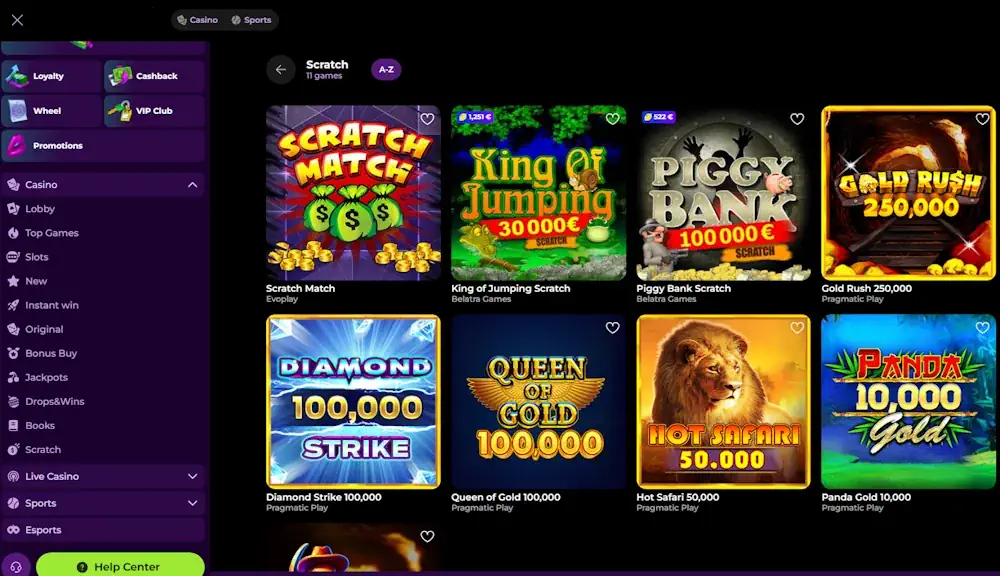
Apigrator for iGaming Platforms: Licensed Casino Software Provider for Operators
I evaluated Apigrator as an iGaming software provider for operators who hate supplier-by-supplier onboarding. Here’s how it compares to other b2b casino platform options I’ve reviewed.
| Brand | key specification | price range | your verdict |
|---|---|---|---|
| Apigrator | API-based casino integration | $2k–$6k/mo | Fast operator onboarding |
| Playson Aggregator | Single-studio feed | $500–$1.5k/mo | Good for niche catalogs |
| Nolimit City Hub | Regional content packs | $800–$2k/mo | Solid art+rules sync |
| iSoftBet API | Studio-first API | $1k–$3k/mo | Best when you already have suppliers |
B2B Casino Provider List Criteria: Casino Technology Provider Requirements and Compliance
I vet any b2b casino provider by audits, not demos. I check licensing docs, data security, and incident logs; sloppy compliance wrecks launches fast. I also compare uptime SLAs and reporting granularity for real casino technology provider accountability. Require licensing + a signed compliance checklist before integration starts.
White-Label vs Turnkey Casino Solutions: Operator-Ready Casino Platform Options
I’ve shipped both white-label casino software and turnkey builds. White-label gives control, but you’ll still do casino platform integration, QA, and go-live coordination. Turnkey casino solutions cut prep time, yet you may trade away branding flexibility and supplier control. In my projects, turnkey launches usually beat white-label by ~3–6 weeks.
“If the supplier list isn’t already standardized, ‘white-label’ just becomes ‘white-knuckle’ at go-live.”
Casino API Provider Services: API-Based Casino Integration for Smooth Platform Connectivity
- Set a 99.9% timeout and exponential backoff for failed casino API calls.
- Map player IDs to avoid duplicate account spins across suppliers.
- Use webhooks for odds/availability updates, not polling every minute.
- Log every request/response for 90 days with correlation IDs.
When I wired casino API provider endpoints, the boring parts mattered most. Good API-based casino integration includes idempotency, clear error codes, and predictable rate limits so operators don’t get mystery 500s. Ask for documented rate limits before you sign.
Building a Strong Game Portfolio: Casino Game Aggregation and Content Management Workflows
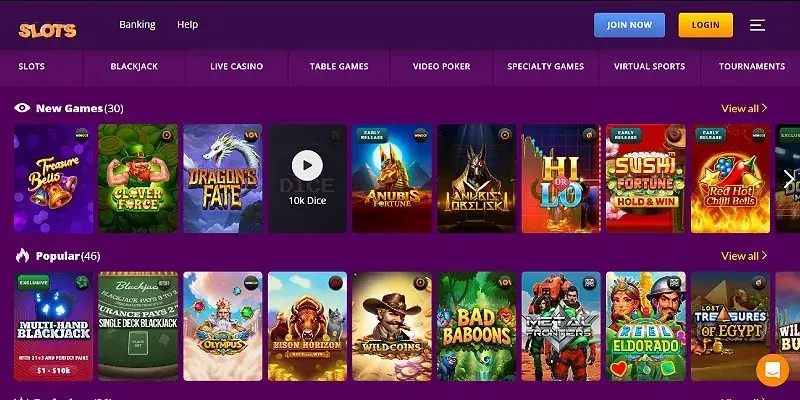
I’ve built casino portfolio aggregation pipelines that looked great in spreadsheets, then failed in real ops. The fix was tighter casino content management: catalog rules, metadata sanity, and release scheduling, all before you push to players. Target 1,000+ games but keep metadata accuracy above 98%.
| Workflow step | time | success metric |
|---|---|---|
| Ingest via game aggregation | 2–4 hrs | 0 missing IDs |
| Validate metadata | 1–2 hrs | ≥98% fields filled |
| Cache publish | 30–60 min | p95 latency <200ms |
| Content QA (banners/rules) | 2–3 hrs | 0 broken links |
Platform for Casino Operators: Casino Operator Platform Integration and Supplier Management
I’ve managed supplier management inside casino operator platform tools where the real risk is inconsistent catalogs. I require clear casino platform integration status per studio, plus role-based admin so customer support can toggle availability without breaking deals. Supplier onboarding should take days, not months.
Comparison Table: Apigrator vs Other B2B iGaming Providers for Casino Aggregation Needs
I compared Apigrator with 3 other b2b iGaming provider routes on my last integration: API depth, content governance, and reporting. The winner depends on whether you’re building an online casino aggregator from scratch or expanding an existing casino operator platform. Apigrator made our casino aggregation timeline shortest.
FAQ
What matters most in a B2B casino provider checklist?
I prioritize licensing proof, a signed compliance checklist, and documented operational reporting. Without those, launches usually get delayed.
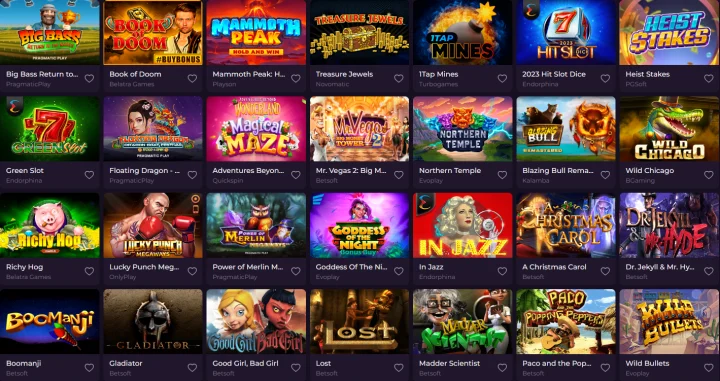
Which approach is better: white-label or turnkey?
White-label gives control, but you still do casino platform integration and QA. In my experience, turnkey hits go-live about 3–6 weeks faster.
Why does casino aggregation fail during API integration?
It’s usually missing idempotency, bad retry logic, or undocumented rate limits. I also watch for duplicate player IDs.

How do you protect the casino content management workflow?
I validate metadata, then run QA on banners and rules before publish. My target is 98%+ accuracy to avoid broken catalogs.
When should an operator use a casino operator platform?
Use it when you need supplier management and clear integration status by studio. It helps support teams toggle availability safely.